Ever wondered how modern music would sound,
had Bach written it for unaccompanied solo cello?
-
Free Bach Cello Suites at Cellofun.eu?
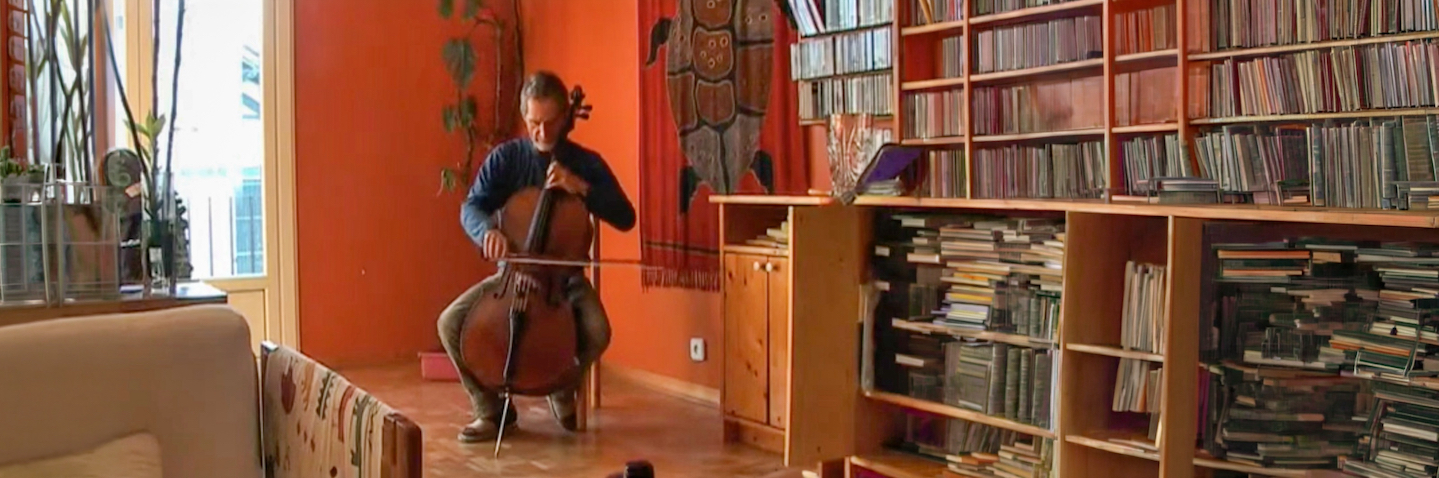
Cellofun.eu is a one-man Wikipedia of the art of cello playing, combined with a repository of solo cello music, both unaccompanied and accompanied. In particular, we wish to highlight the complete Bach Cello Suites in its online repertoire. All 36 movements are available for free, each accompanied by a detailed analysis and four separate PDF files: manuscript comparisons, notes-only sheet music, a cello duet, and an annotated performance edition.
-
Deep River arranged by Jake Muzzy
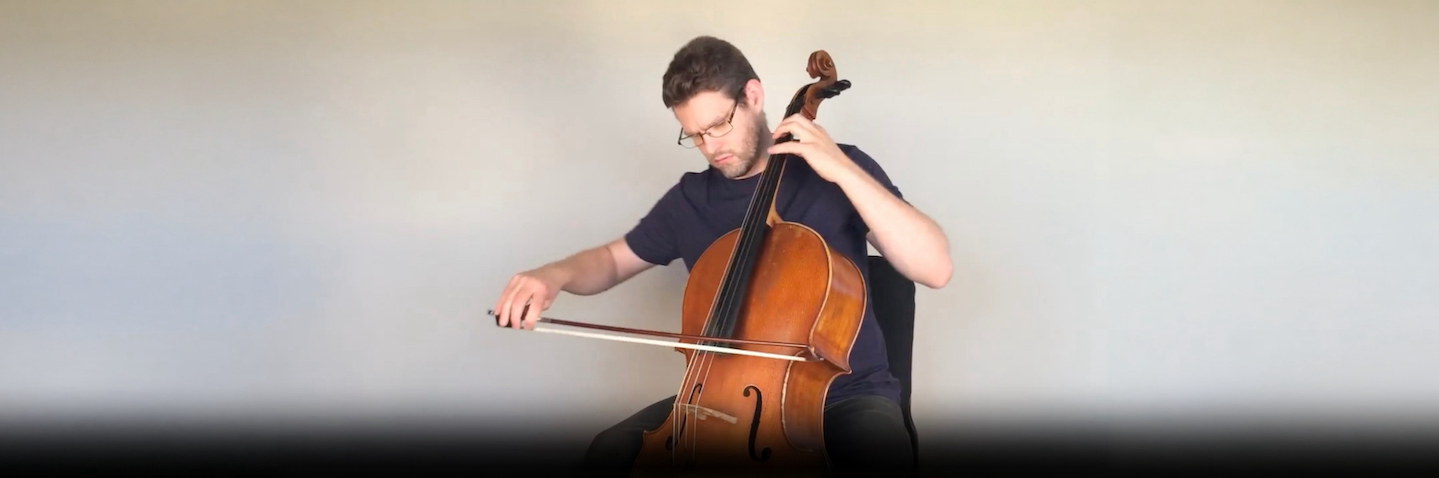
Cellist Jake Muzzy made sheet music available for his arrangement of Deep River for self-accompanied cello. It comprises four verses: a single-voice melody, a version with chords, a higher-octave “duet” with double-stops, and finally, a combination of solo melody and chords with a reprise.
-
Sky Be Dark (天黑黑) for solo cello
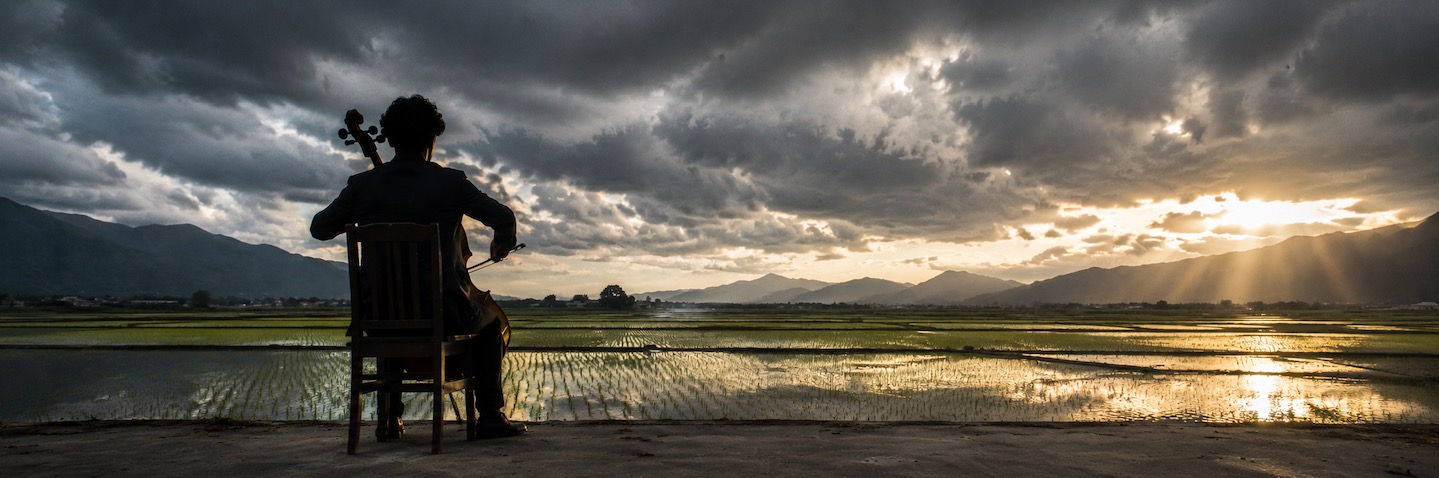
This is an unaccompanied cello fantasy on 天黑黑, as sung by 孫燕姿 (Stefanie Sun). Written by 李偲菘 and 吳慶隆, the song single-handedly launched Stefanie’s career in 2000. Although its official English title is Cloudy Day, the recomposer believes that Sky Be Dark better captures the spirit of both this 21st-century song and the traditional Taiwanese folk song it borrowed from.
-
Ten American Cello Etudes by Aaron Minsky
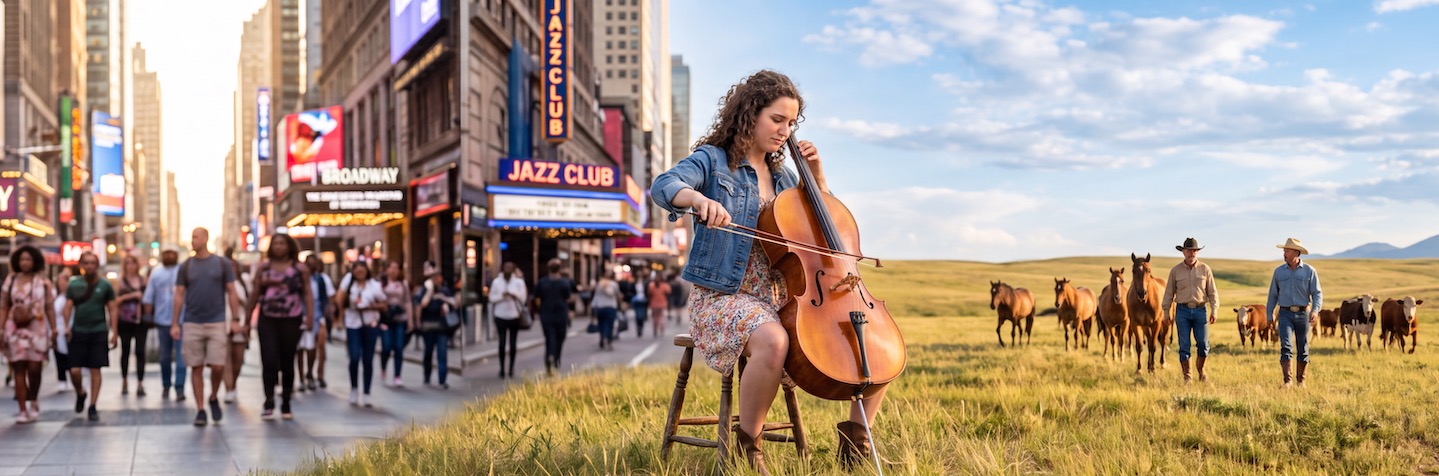
Ten American Cello Etudes by Aaron Minsky is a one-of-a-kind collection of cello etudes. In this groundbreaking 1988 collection, Minsky laid out a roadmap for generations of classical cellists to come, showing how the instrument could break free from its dignified traditional role and enter the contemporary American rock-and-roll era.
-
Fantasy on Yesterday by David Johnstone
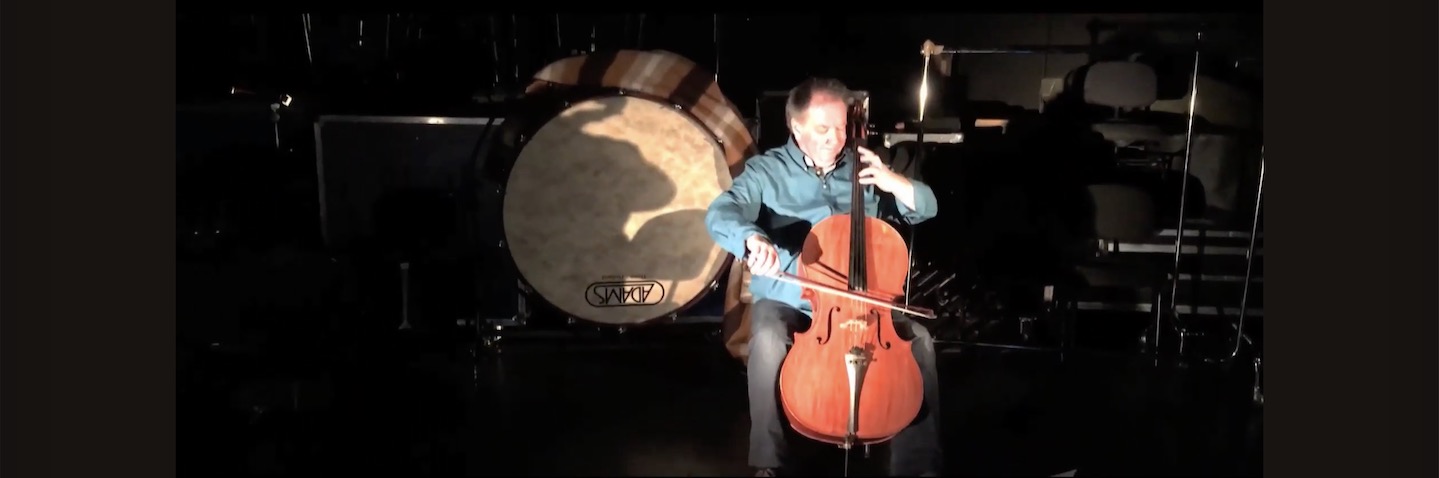
Here is a stunning fantasy on McCartney’s Yesterday for self-accompanied cello, written and performed by David Johnstone, a truly one-of-a-kind cellist and composer. Johnstone’s website makes thousand-plus pieces of cello sheet music available, free of charge, including this Fantasy on Yesterday.
-
Yesterday, for a cello without company
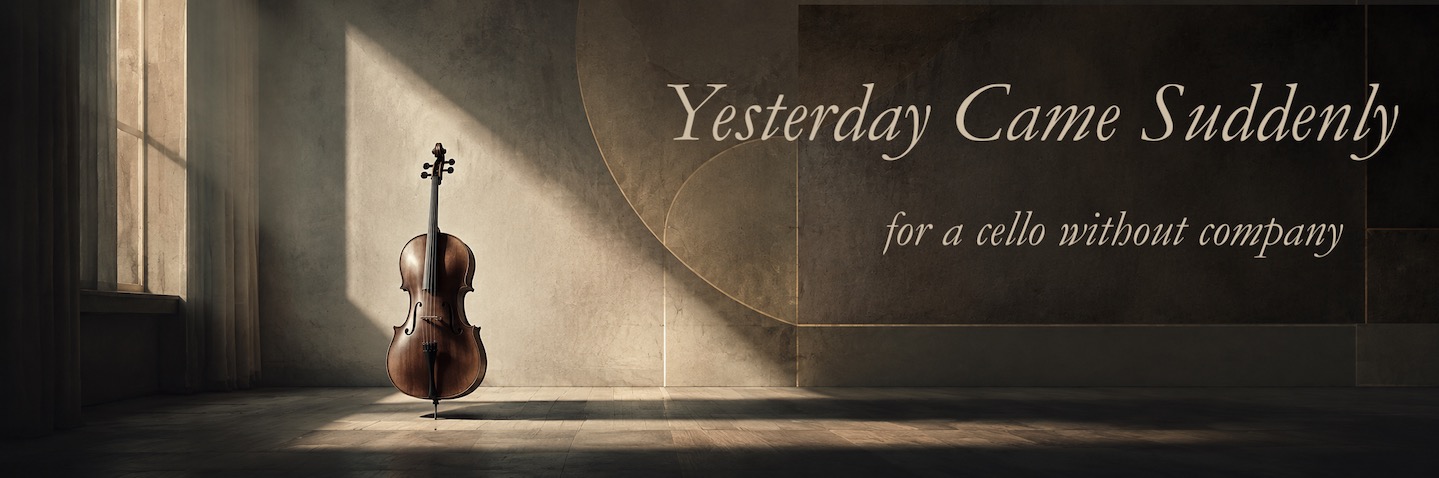
Yesterday, written by Paul McCartney in a dream, is arguably one of the greatest songs ever written. It’s also one of the most fitting songs to receive the bachwrotewhat treatment, given its lyrics lamenting the protagonist’s loss of a companion. Here we present: Yesterday, as rewritten for a single cello without accompaniment.
-
Brahms Intercello
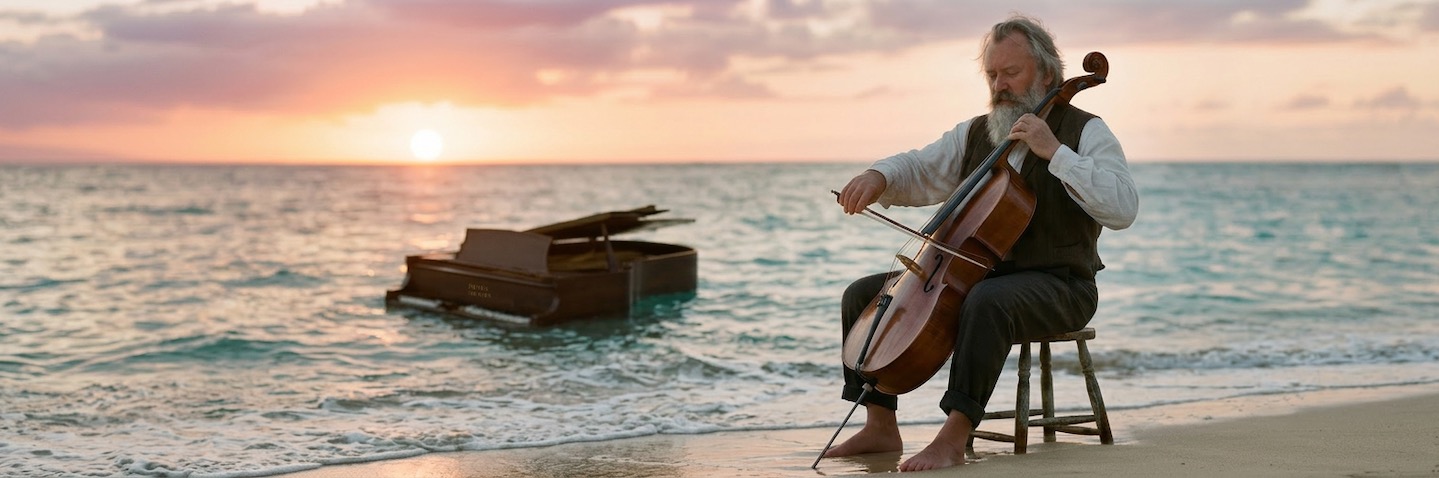
There is only one Piano Intermezzo: Intermezzo in A major, Op. 118 No. 2 by Johannes Brahms. But should they take your piano away, you may still attempt it on the four strings of your cello, self-accompanied, in two transpositions chosen to exploit the cello’s range and resonant open strings.
-
Sheku’s Take on No Woman, No Cry
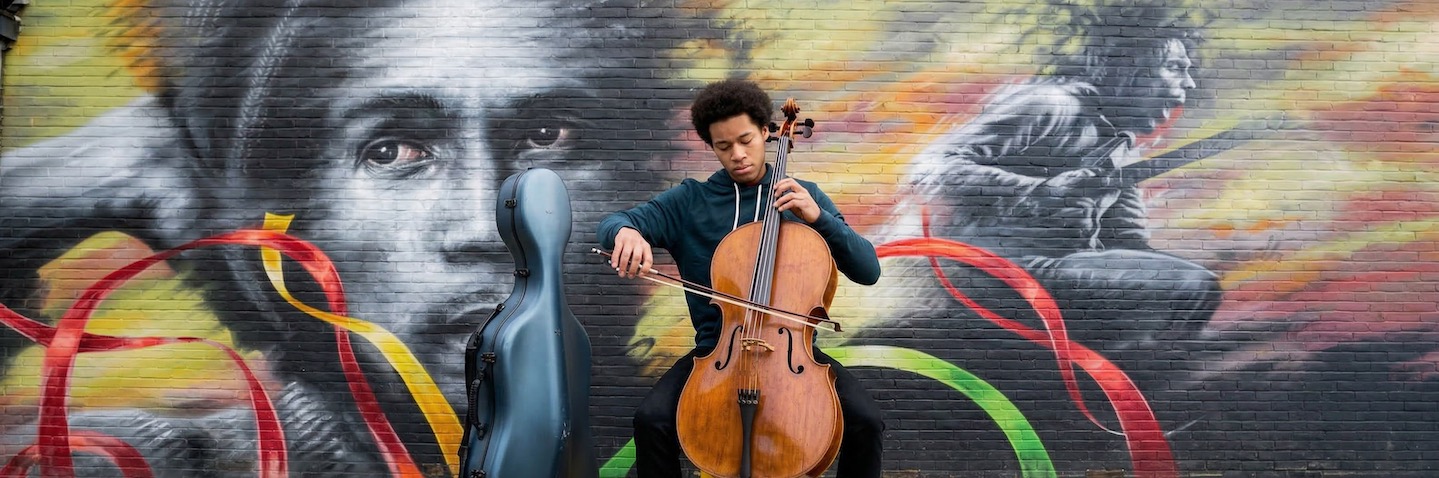
Sheku Kanneh-Mason‘s arrangement of Bob Marley’s “No Woman, No Cry” is a perfect example of the vision we advocate for here at Project BachWroteWhat. At just 19, he he transformed a reggae classic by the reggae legend into a Baroque self-accompanied cello piece, and breathed reggae soul back into the music.
-
Bach in the Arms of an Angel
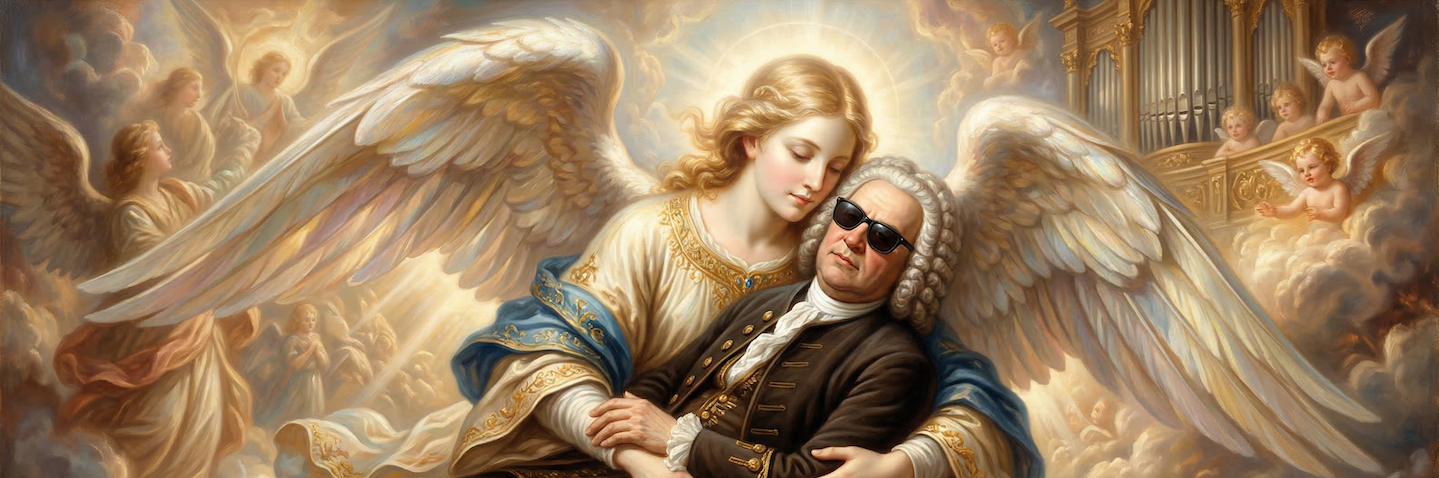
Sarah McLachlan’s “Angel”, released in 1997 on the album Surfacing, mesmerized a generation of listeners and remained on major Billboard charts for extended periods. It has now been recomposed into a self-accompanied cello piece in F major, a transposition chosen to take advantage of the cello’s open strings.
-
Song of the Birds
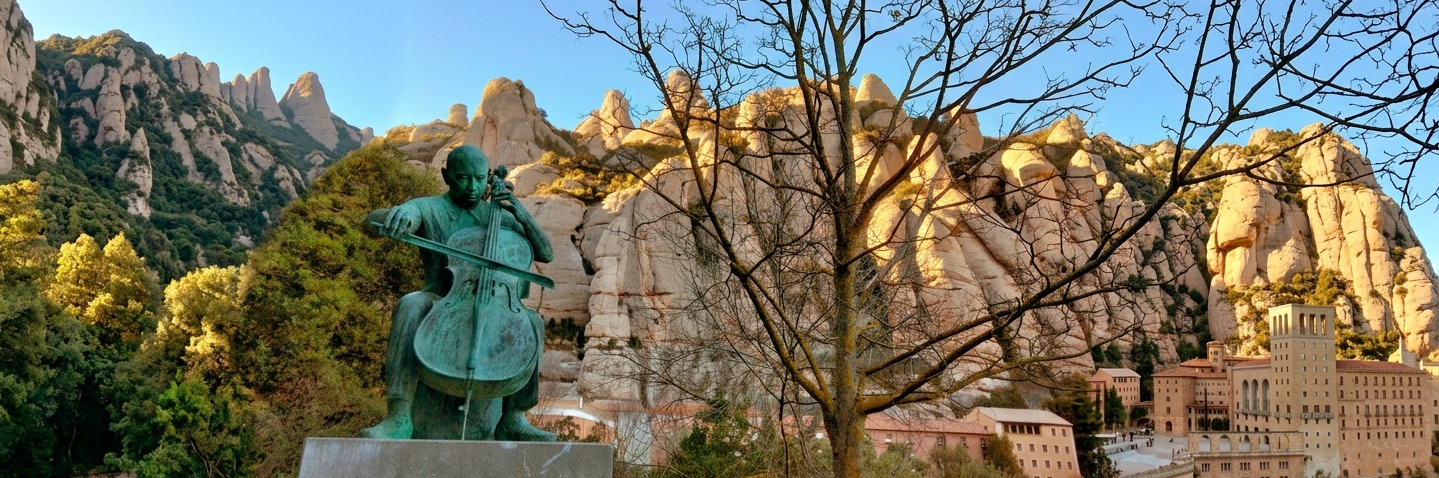
In addition to rescuing Bach’s unaccompanied cello suites, Pablo Casals is also well-remembered for bringing Song of the Birds to international fame. After his exile following the Spanish Civil War, he performed Song of the Birds at each of his concerts as a protest against Franco’s fascist regime. In time, this song came to symbolize the plight of refugees around the world.
-
7 Ricercari by Domenico Gabrielli
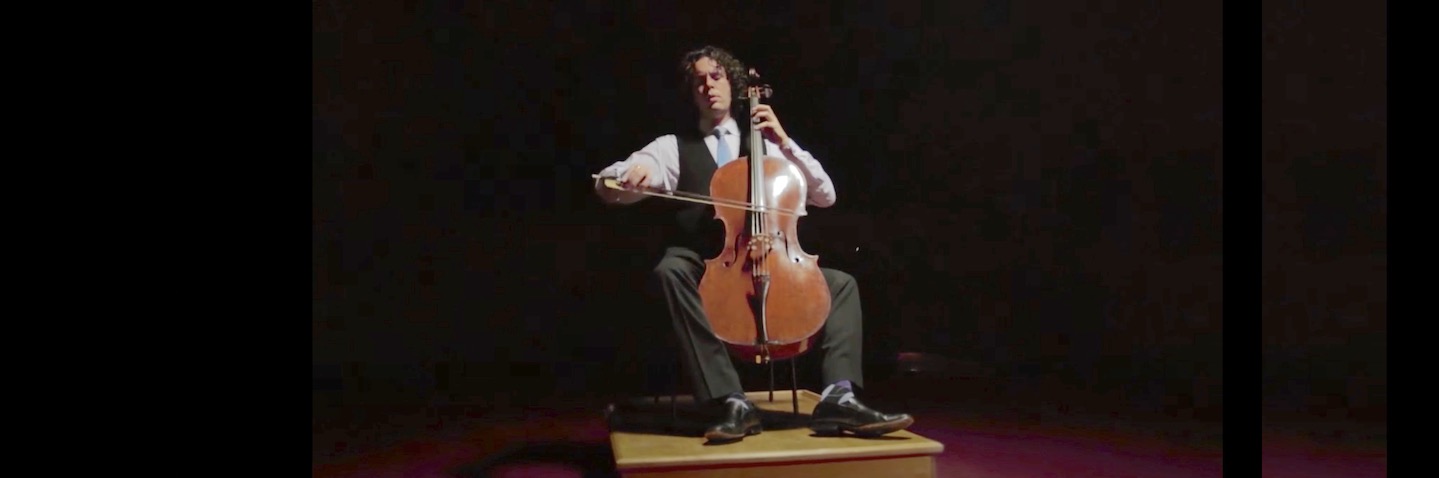
When Domenico Gabrielli passed away in 1690, JS Bach was merely 5-year old. While Bach’s unaccompanied cello music is well-recognized today, Gabrielli’s seven ricercari for unaccompanied cello were the first published work of this genre.
-
Barokan Farewell
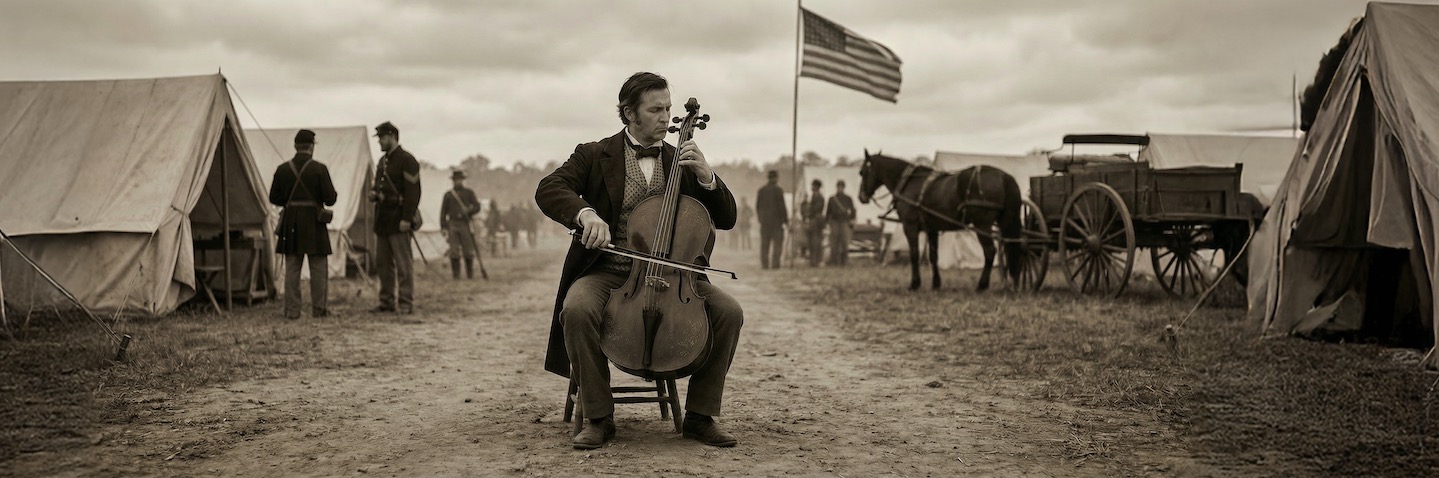
You’ve heard Ashokan Farewell even if you don’t think you know it. You’ve heard it in a TV show, a film, or a documentary about the Civil War. Chances are, if someone played you the first bar, you could hum the rest. What if one were to write a somewhat Baroque-sounding variation of Ashokan Farewell, as a self-accompanied cello music?
-
Tunes Recomposed by Gabriel Martins
Cellist Gabriel Martins have been recomposing tunes from the past written for other instruments into new arrangements suitable for self-accompanied cello. His inspirations include Romantic solo piano, Irish harp music, Baroque work for viola da gamba, and more. Free sheet music is freely-downloadable from his website gabrielmartinscello.com.
-
Afghan Song Now Banned
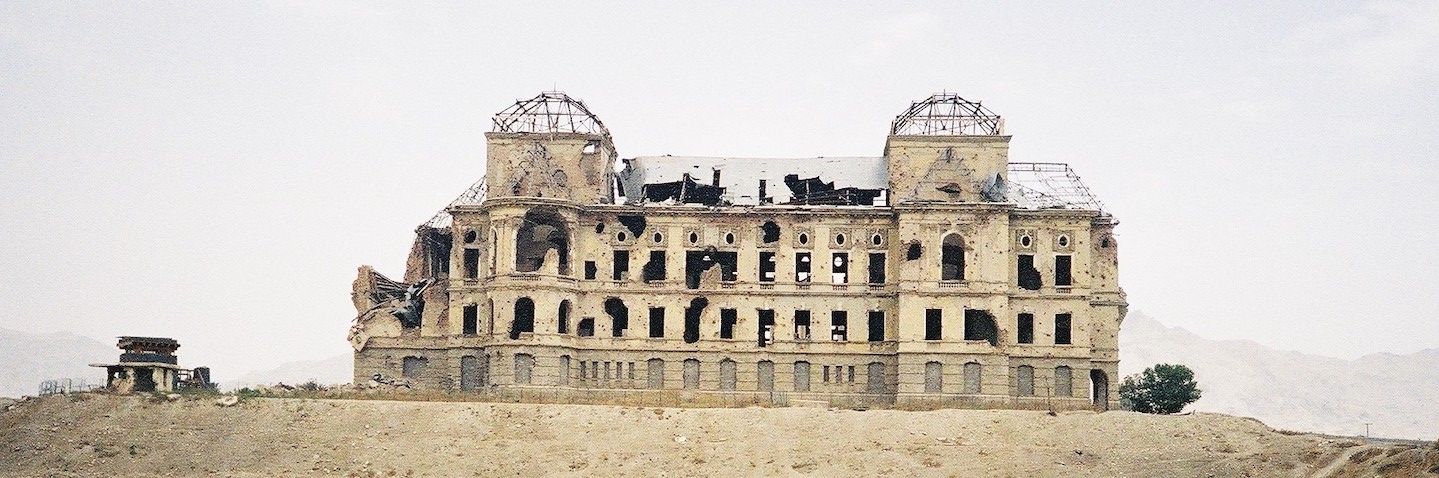
Cellist and conductor Dan Allcott rearranged a popular Afghan song, “Bia ke borem ba Mazar”, previously performed by his friend William Harvey on the violin, for the cello, self-accompanied. The title of the song means: “Let’s go to the lover city of Mazar-e-Sharif”. When played unaccompanied thus on a solo string instrument, the tune sounds even more haunting and exotic than voiced versions. Songs like this are now banned in Afghanistan, since the Taliban took over.
-
Self-accompanied U.S. Anthem
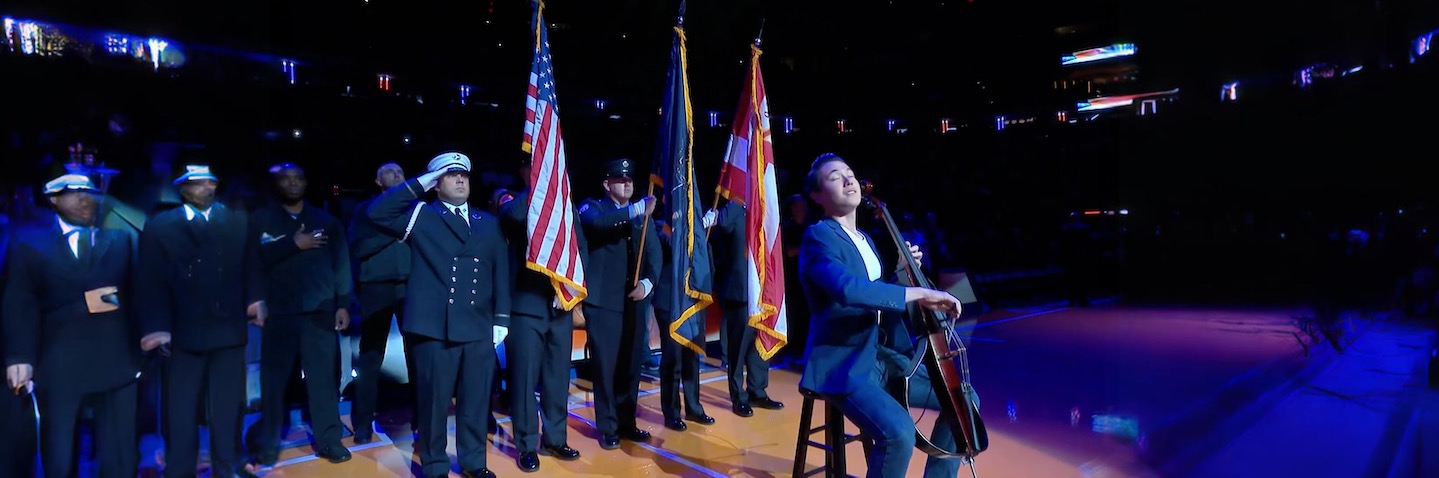
The national anthem of the US, The Star-Spangled Banner, has to be the most rearranged tune in the United States. Not one game opens without someone singing their version of the tune, a band performing it, or some musicians playing it. Of all of the instrumental renditions of the anthem, unfortunately very few are with a self-accompanied cello. We chronicle some of the best.
-
Bach Cello Suite 7: Jessica Korotkin
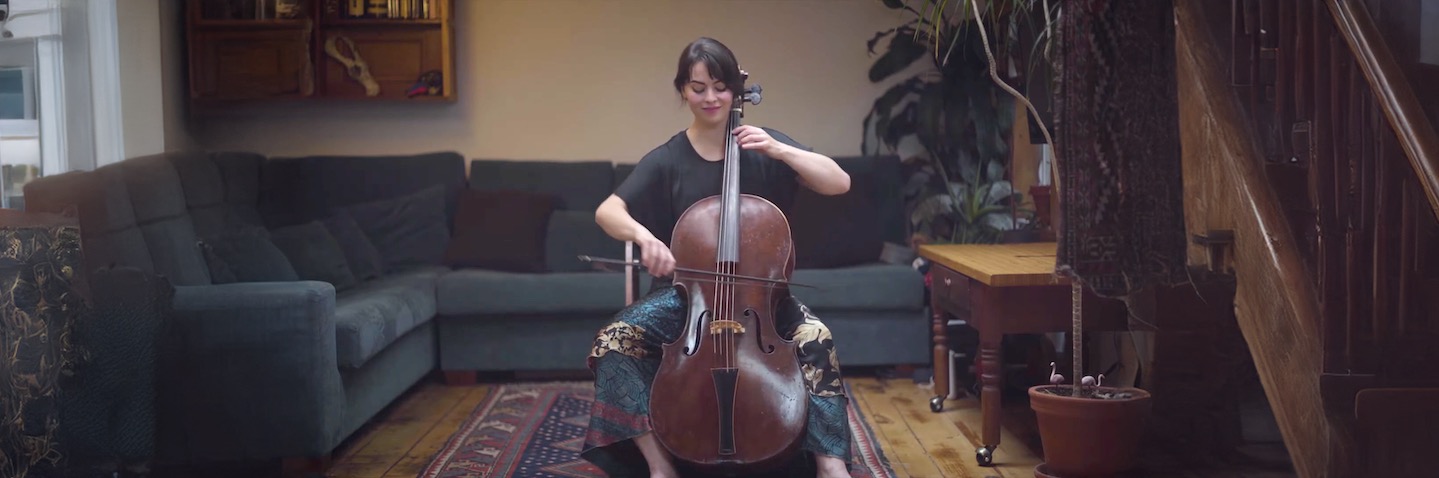
Jessica Korotkin joked that J.S. Bach didn’t write Bach Cello Suites 7 through 12. She did. Her 6 unaccompanied cello suites were inspired by Bach, and composed through a rigorous methodology, documented in her thesis: Building on Bach: 6 New Suites for Solo Cello, and summarized in an Early Music America article. Our project “Bach Wrote What?!” applauds her multi-year effort dedicated to this work.
-
Bach Wrote a Cavatina
The composer relayed this origin story: Stanley Myers’ Cavatina for the movie “Deer Hunter” is heavenly, and the guitar arrangement for John Williams is exquisite. I recomposed it for self-accompanied cello, while transposing it from its original E major to G major, to better use my cello’s natural sound. I have by now given up hopes that people would recognize original tunes in these recompositions. I think I’ll let these recompositions stand on their own feet going forward. The original tune and/or chord progression can be thought of as Easter eggs instead.
-
11 Capricci by Joseph dall’Abaco
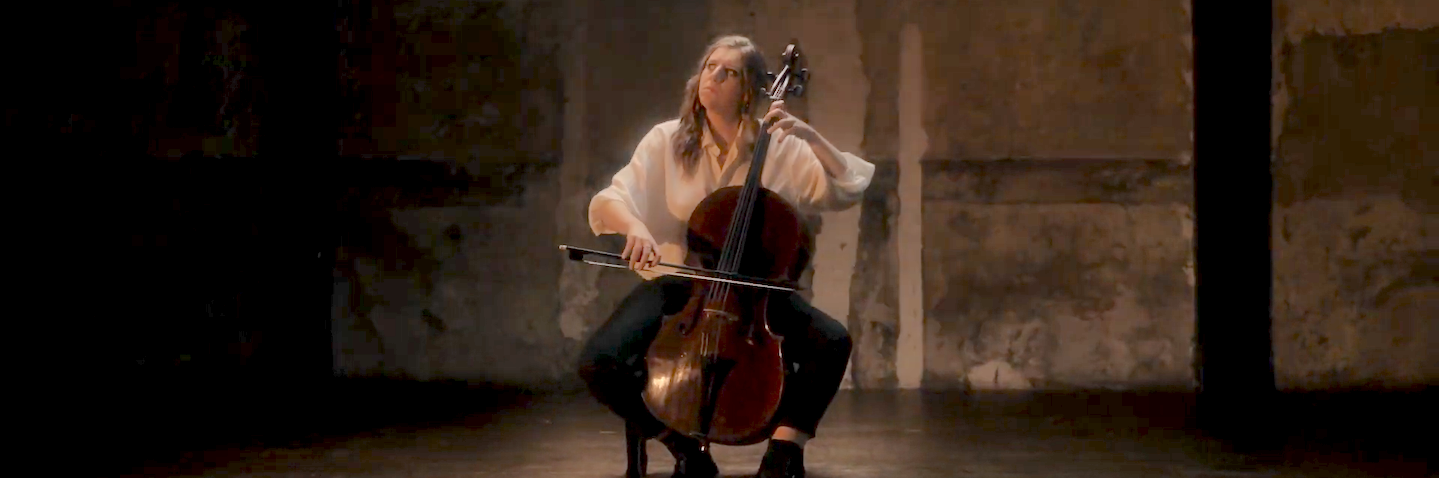
Joseph Dall’Abaco was born 25 years after J.S. Bach. He was a celebrated cellist and wrote many cello music. But few of his solo compositions survived. Fortunately we do have a 19th-century copy of his 11 Capricci for solo cello, even if the copy contained obvious errors, and recorded only half of the last piece. These 11 unaccompanied cello pieces evoke in one, the same feelings from listening to Bach’s cello suites.
-
The Chaconne In Cello’s Range
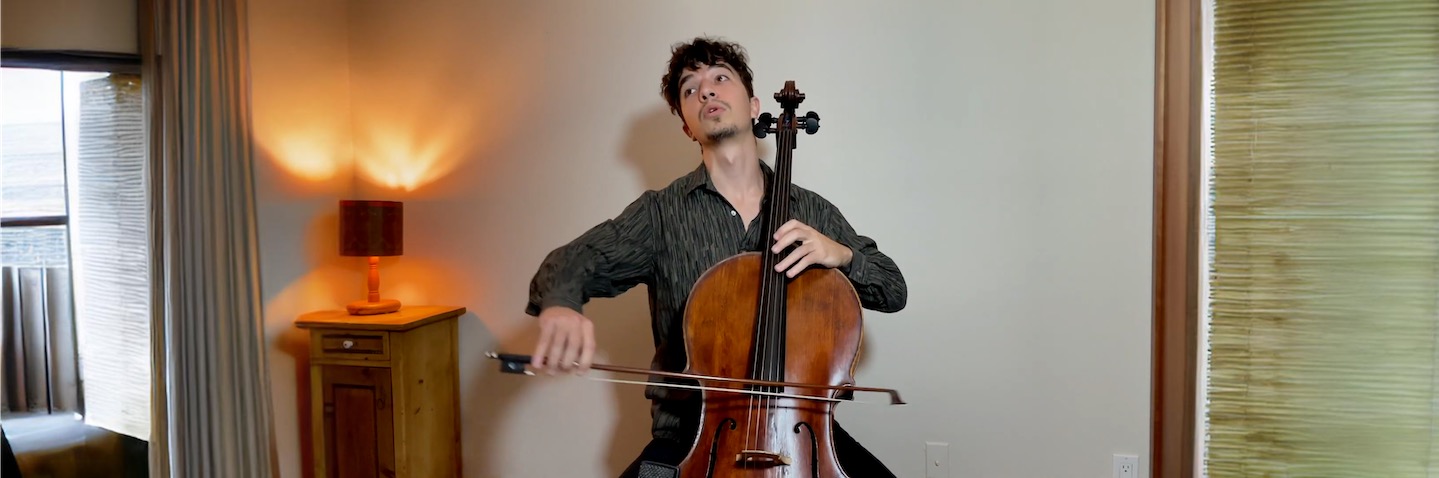
Bach’s Chaconne from Partita No. 2 BWV 1004 for Solo Violin is so great, it is simply known as “The Chaconne”. Some brave cellist rearrange this great music to be played in a cello’s natural range, transposed down a fifth to G minor. This is the same spirit that our project “Bach Wrote What?!” embraces. Instead of boxing Bach’s music in, we should expand it as we see fit, to best render it for this moment.
-
Turn Your Eyes With Bach
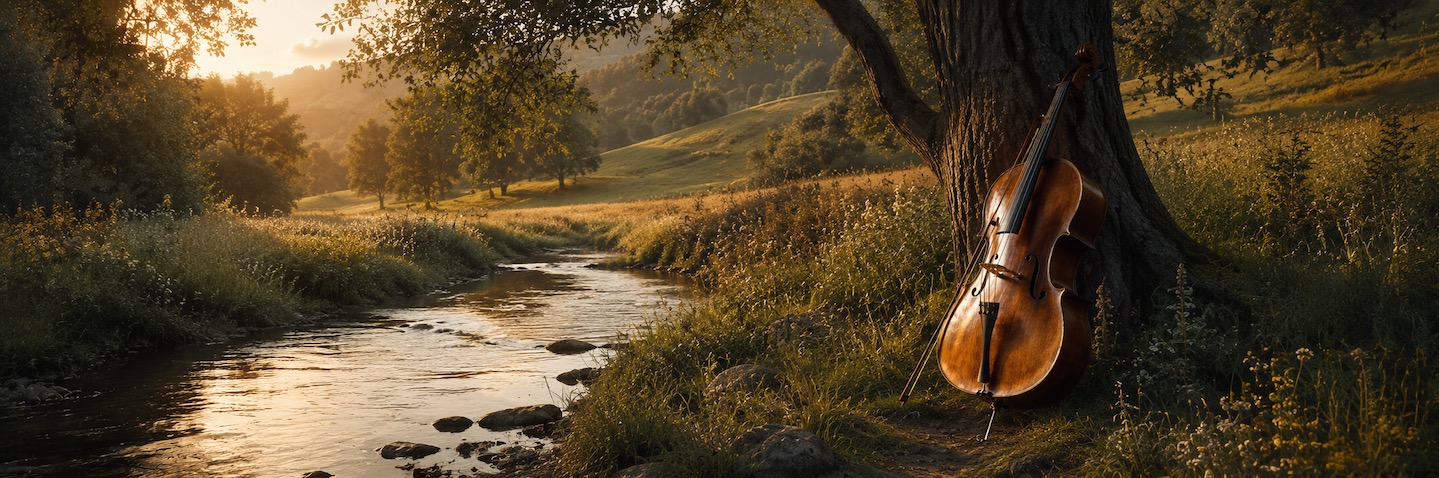
The composer relayed this origin for the piece you find here: I can’t get the tune out of my head, after listening to Kevin Olusola play “Turn Your Eyes Upon Jesus”. So I rewrote it as a self-accompanied cello piece. Like my recent recompositions, I lowered this one a fifth to G major to better use my cello’s natural sound. The result no longer sounds like the original adagio tune. I like to think it sounds like a modern Bach solo. But the original tune is still embedded in the music. See if you can hear it.
-
Gabriel’s Self-accompanied Cello
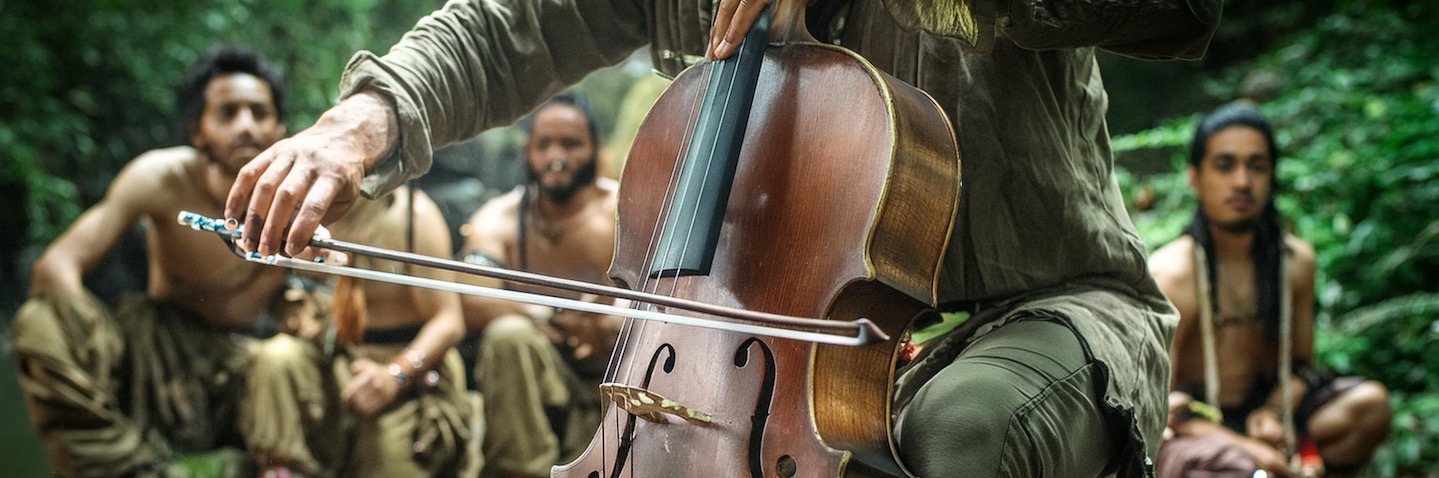
The composer relayed this origin for the piece you find here: I love Ilse de Ziah’s rearrangement of Gabriel’s Oboe for self-accompanied cello. But it is beyond my playing ability. So I lowered the music by a fifth to G major, and wrote a Bach-style, self-accompanied version that I am able to play myself. The second half of the piece shifts to C major, to explore alternative ways to leverage G and C strings. I don’t know if the result is still “an arrangement”. Perhaps “recomposed” is a better name for what turned out.
-
Inch Strand by Ilse de Ziah
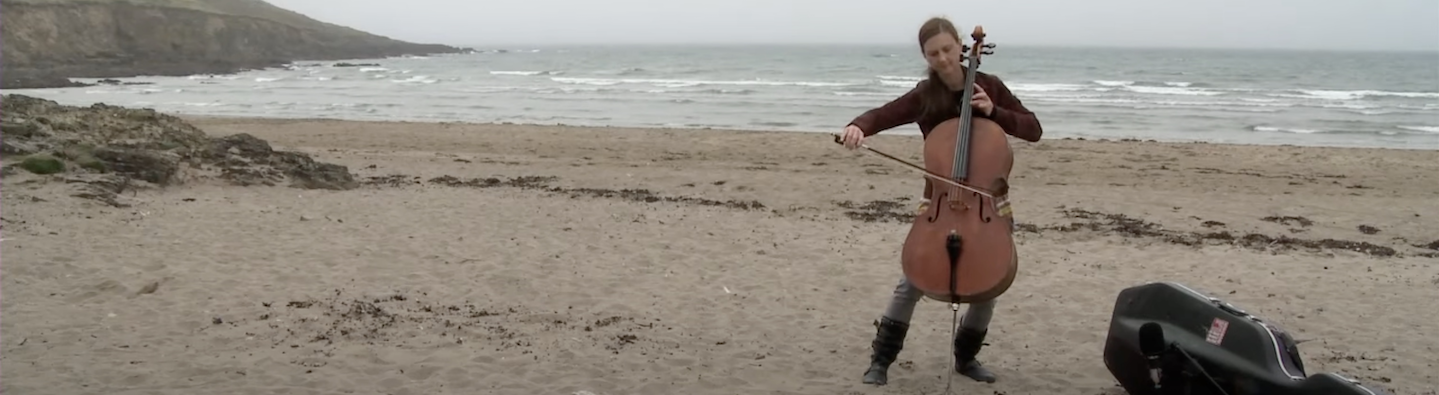
Ilse de Ziah is an Irish-Australian cellist who composes and rearranges cello music. She published several collections of music for unaccompanied solo cello. Inch Strand is a good example of her own composition. It is written in the style of traditional Irish airs which are well represented in her collections of unaccompanied solo cello work. Sheet music for Inch Strand can be purchased online as part of the Irish Airs For Solo Cello eBook, a great collection of unaccompanied solo music that introduces a cellist to new techniques to bring out both body and color of Irish airs.
-
Gabriel’s Oboe per Ilse de Ziah
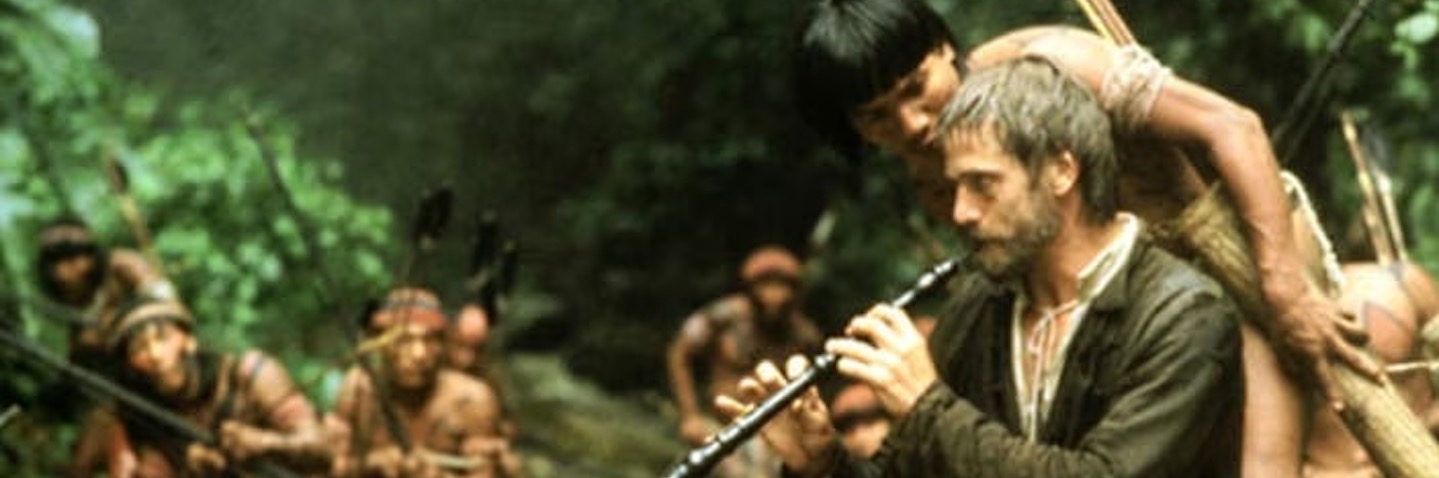
Ilse de Ziah is an Irish-Australian cellist who composes and rearranges cello music. She published several collections of music for unaccompanied solo cello. The rearranged Gabriel’s Oboe is a good example of her work for unaccompanied solo cello. Sheet music for Gabriel’s Oboe can be purchased online as part of the Wedding Music for Solo Cello, a great collection of unaccompanied solo music that allows a single cellist to project powerful music throughout an entire wedding.
-
Swan + Swan by Bach
The arranger relayed this origin for the double solos you find here: I previously rearranged The Swan by Saint-Saëns in the style of Bach’s unaccompanied cello suites. I jokingly titled it “Bach Wrote The Swan”. Many people told me that there was almost nothing from Saint-Saëns left in my work. So here I lay a slightly mutated version of the original melody alongside my work, to prove that the issue lies with my poor playing, and hopefully not with the music itself.
-
Bach Wrote The Swan

The arranger relayed this origin for the piece you find here: I tried to play The Swan, but it was too hard for me. It’s a never-ending stream of high position notes, played on just the A and D string. So I transposed it down a fifth to accommodate my low skill level. But then no self-respecting pianist would play the traditional piano part with me. So I added some accompaniments of my own, in between notes from the melody, in the style of Bach cello suites. Yeah. I quite like the end result – an unaccompanied Swan.